
I like to make this sourdough pizza crust when I want a pizza that has deep flavor and a chewy, slightly tangy bite. Using sourdough starter gives the crust a rustic character and a crisp exterior that feels just like something from a wood-fired oven.
Why You’ll Love This Recipe
I enjoy how this crust develops a rich flavor without needing much yeast. The natural fermentation creates a texture that is both airy and chewy. I also like how versatile it is, since I can make thin and crispy pizzas or thicker, softer ones depending on how I shape the dough.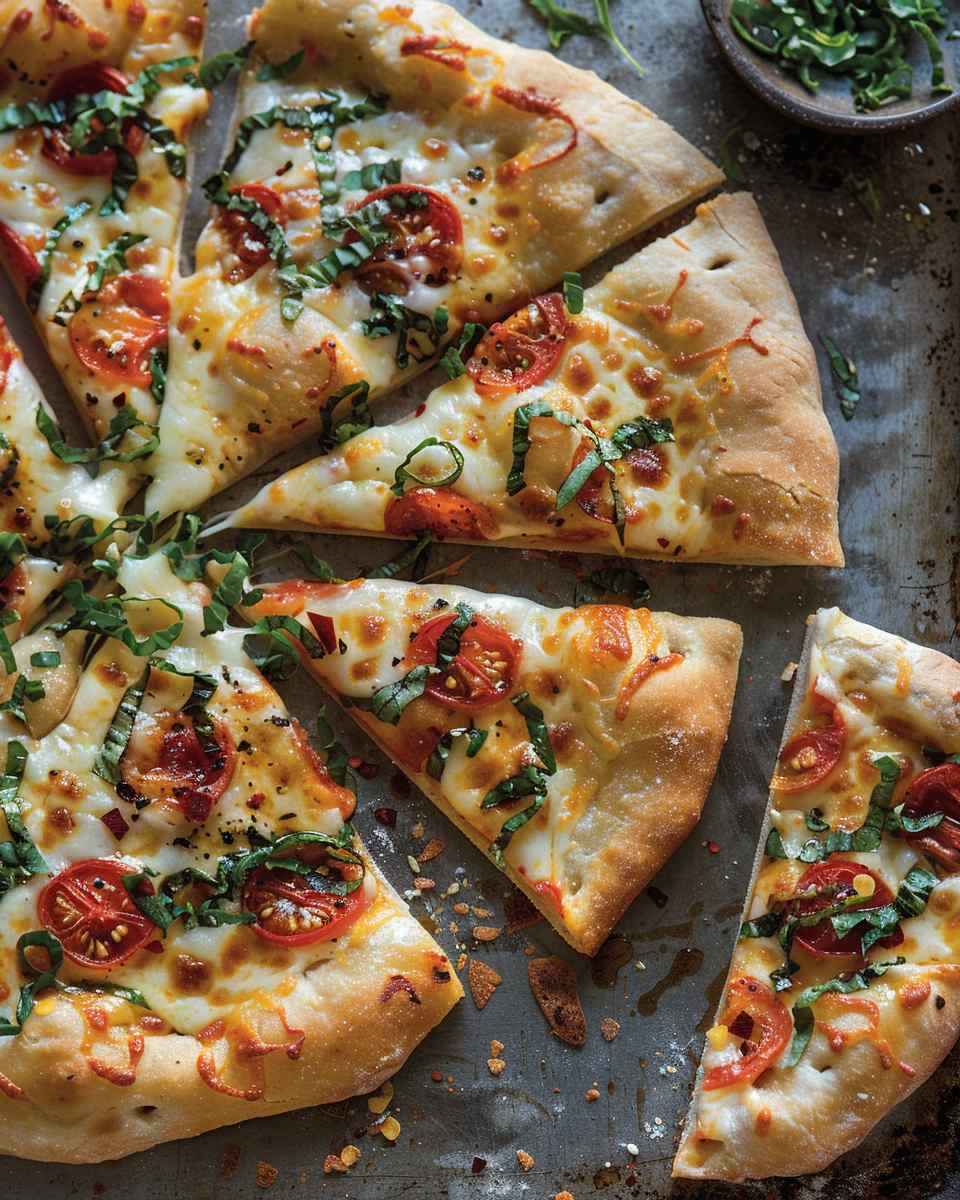
Ingredients
(Here’s a tip: Check out the full list of ingredients and measurements in the recipe card below.)
- active sourdough starter
- all-purpose flour or bread flour
- warm water
- olive oil
- salt
Directions
I start by mixing the sourdough starter with warm water in a bowl until it loosens. I add the flour and salt, then mix until a rough dough forms.
I knead the dough until it becomes smooth and elastic, then drizzle in olive oil and continue kneading until fully incorporated. I cover the dough and let it rest for several hours, or until it doubles in size.
Once risen, I divide the dough into portions and let them rest again briefly. I gently stretch each portion into a pizza shape, being careful not to deflate the air bubbles.
I top the dough as desired and bake it in a very hot oven until the crust is golden and crisp.
Servings and timing
I usually get 2 medium pizza crusts from this recipe.
Preparation takes about 15 minutes, fermentation takes 4 to 8 hours depending on room temperature, and baking takes about 10–12 minutes per pizza.
Variations
I sometimes use whole wheat flour for part of the dough to add a nutty flavor. When I want extra crispiness, I roll the dough thinner and bake it on a preheated stone. I also like brushing the edges with olive oil for a golden finish.
storage/reheating
I store unused dough in the refrigerator for up to 2 days. I let it come to room temperature before using. Baked pizza can be stored in the fridge and reheated in the oven to keep the crust crisp.
FAQs
Can I use sourdough discard instead of active starter?
I can use discard, but I find the dough rises better and tastes more balanced with an active starter.
Why is my dough too sticky?
I notice this happens when there’s too much water, so I add a little more flour while kneading.
Can I freeze the dough?
I freeze portions after the first rise and thaw them in the fridge before using.
How do I get a crispy crust?
I bake the pizza at a very high temperature and use a preheated baking surface.
Do I need a pizza stone?
I don’t always use one, but I find it helps create a better texture and crispness.
Conclusion
I find this sourdough pizza crust to be a rewarding way to elevate homemade pizza. The flavor, texture, and flexibility make it one of my favorite doughs to prepare, whether for a simple meal or a special pizza night.
Sourdough Pizza Crust

5 Stars 4 Stars 3 Stars 2 Stars 1 Star
No reviews
A rustic sourdough pizza crust with a chewy texture, crisp exterior, and slightly tangy flavor, perfect for homemade artisan-style pizzas.
- Author: Mayaa
- Prep Time: 15 minutes
- Cook Time: 10-12 minutes
- Total Time: 4 hours 30 minutes
- Yield: 2 medium pizza crusts
- Category: Dough
- Method: Baking
- Cuisine: Italian
- Diet: Vegan
Ingredients
- 1 cup active sourdough starter
- 2 1/2 cups all-purpose flour or bread flour
- 3/4 cup warm water
- 2 tbsp olive oil
- 1 tsp salt
Instructions
- In a large bowl, mix the sourdough starter with warm water until loosened.
- Add flour and salt, mixing until a rough dough forms.
- Knead the dough until smooth and elastic.
- Drizzle in olive oil and continue kneading until fully incorporated.
- Cover the dough and let it rest for 4 to 8 hours, or until doubled in size.
- Divide the dough into 2 portions and let them rest for 20–30 minutes.
- Gently stretch each portion into a pizza shape, preserving air bubbles.
- Add desired toppings.
- Bake in a very hot oven (about 240–260°C / 475–500°F) for 10–12 minutes or until golden and crisp.
Notes
- Use active sourdough starter for best rise and flavor.
- Add more flour if dough feels too sticky during kneading.
- Preheat a pizza stone or baking tray for a crispier crust.
- Brush edges with olive oil for a golden finish.
- Whole wheat flour can be substituted for part of the flour for added flavor.
Nutrition
- Serving Size: 1 crust portion
- Calories: 260 kcal
- Sugar: 1 g
- Sodium: 300 mg
- Fat: 6 g
- Saturated Fat: 1 g
- Unsaturated Fat: 4.5 g
- Trans Fat: 0 g
- Carbohydrates: 45 g
- Fiber: 2 g
- Protein: 7 g
- Cholesterol: 0 mg


